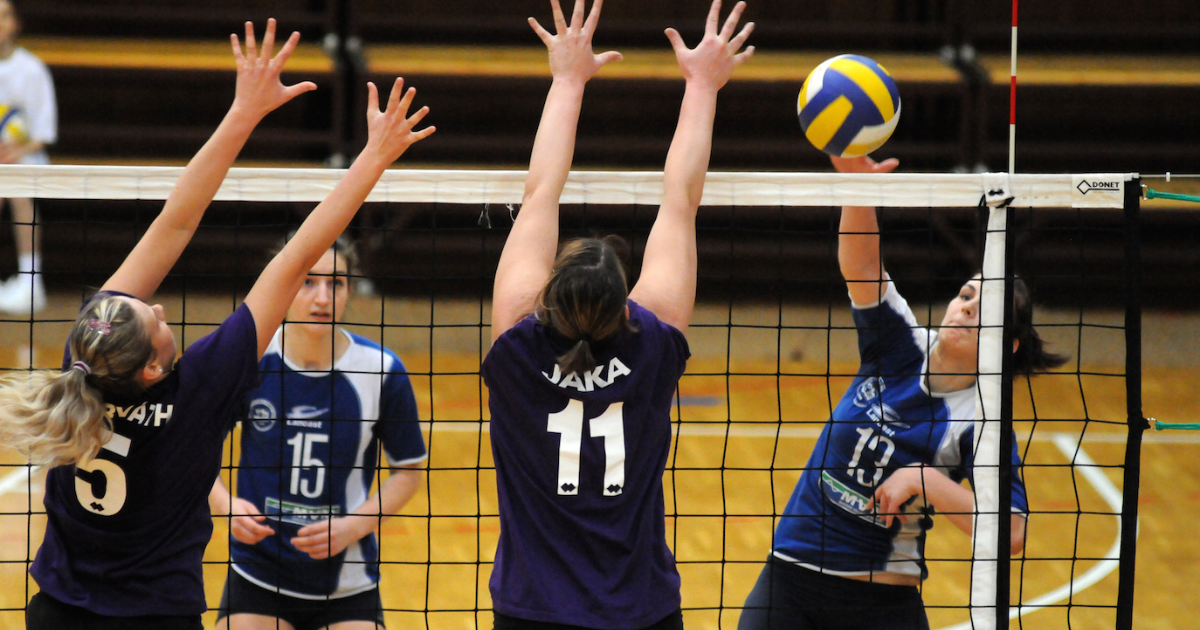
The truth is, competitive volleyball isn’t just about hitting the ball hard or diving dramatically it’s about discipline, skill, and strategy built over years.
If you’re wondering what level competitive volleyball really is, how players reach it, and what it takes to play there this guide will break it all down in simple, real-world terms.
What Competitive Volleyball Really Means
Competitive volleyball is more than just casual games with friends. It’s organized, structured, and performance-based.
It can start at youth club level and go all the way to college, national, or professional leagues. Players are evaluated not only on skill but also teamwork, attitude, and game IQ.
Think of it like climbing a ladder each level challenges you with higher intensity, faster gameplay, and stronger opponents.
Levels of Competitive Volleyball (From Beginner to Pro)
Let’s go step-by-step through the main levels where players compete seriously.
1. Recreational Level (Beginner Stage)
- Usually local or school-based games.
- Focus on fun, learning basic skills, and teamwork.
- Ideal for beginners just getting comfortable with passing, serving, and court rotation.
Goal: Build confidence and consistency.
2. Club Volleyball (Youth Competitive Level)
Club volleyball is where real competition begins. Players usually join from ages 10–18 and compete in regional and national tournaments.
Clubs are often divided into age brackets (U12, U14, U16, U18), and players are evaluated through tryouts.
What makes this level competitive:
- Regular practice (3–5 days a week)
- Professional coaches
- Strength and conditioning sessions
- High-level tournaments like AAU, USAV, or JVA
In my experience, this is where most athletes discover their true potential — it’s tough, but incredibly rewarding.
3. High School Varsity Volleyball
Once players gain experience, they move into their school’s varsity or junior varsity teams.
Here’s where you start to see real competition:
- Coaches emphasize team systems and game strategies.
- Players learn leadership, discipline, and mental focus.
- Matches are often fast-paced and physically demanding.
Goal: Earn recognition for college recruiting.
4. College / University Volleyball
This level is divided into NCAA Divisions I, II, and III (or equivalent in other countries).
What makes it elite:
- Athletes play year-round with intense schedules.
- Advanced training in strength, nutrition, and recovery.
- Teams travel nationally for matches and championships.
- Some athletes earn scholarships or go on to play professionally.
To play college volleyball, athletes usually need:
- Club or varsity experience.
- Highlight videos for recruiters.
- Consistent performance and coach recommendations.
5. Semi-Professional & Professional Volleyball
This is where volleyball becomes a career.
Players may compete in domestic leagues, national teams, or international tournaments (like the FIVB World Championships or Olympics).
At this stage:
- Training happens daily.
- Players are under contract with clubs or sponsors.
- Performance expectations are extremely high.
- Every match is televised or tracked statistically.
Fun fact: The average pro volleyball spike can reach speeds over 60 mph — that’s how fast the game gets.
Competitive Volleyball vs Recreational Volleyball
| Feature | Competitive Volleyball | Recreational Volleyball |
| Intensity | High (structured, serious play) | Low (casual fun) |
| Coaching | Certified, experienced coaches | Often self-taught or volunteer |
| Practice Frequency | 3–6 times per week | Occasional |
| Goals | Skill development, tournaments, ranking | Enjoyment, social activity |
| Commitment Level | High (travel, fitness, discipline) | Flexible, low pressure |
If you’re serious about improving, competitive volleyball pushes you to grow faster — both as an athlete and a teammate.
What It Takes to Play Competitive Volleyball
Honestly, it’s not easy but it’s absolutely worth it.
Here’s what you’ll need:
- Commitment: Practices, workouts, and games can take up your evenings and weekends.
- Fitness: Focus on agility, endurance, and jump training.
- Coachability: Be open to feedback and constant improvement.
- Teamwork: Volleyball is 100% about communication and chemistry.
- Mental toughness: You’ll face losses, criticism, and long travel days.
Pro tip: Record your matches. Watching yourself play helps identify patterns and habits faster than any drill.
Can Adults Play Competitive Volleyball Too
Absolutely!
There are adult leagues, masters tournaments, and semi-pro circuits in many countries.
Some leagues even divide teams by age brackets (30+, 40+, 50+), so competition stays balanced and enjoyable.
You can check local clubs or organizations like USA Volleyball, Volleyball England, or Volleyball Canada for open tryouts and adult programs.
FAQs
1. What age should you start competitive volleyball
Most players begin between ages 10 and 13, but it’s never too late to start learning.
2. Is club volleyball necessary to play in college
Not always, but it helps a lot. College coaches prefer athletes with club-level experience due to consistent competition.
3. How do you know if you’re ready for competitive volleyball
If you love practice as much as games, crave challenges, and don’t mind feedback you’re ready.
4. Can beginners join a competitive team
Yes, many clubs have developmental or beginner teams to help players build up before joining elite squads.
Final Thoughts
Competitive volleyball isn’t just a sport it’s a journey of hard work, teamwork, and self-growth.
It challenges you physically and mentally but rewards you with skills, confidence, and unforgettable experiences.
If you’re serious about leveling up, start with local club tryouts or adult leagues.
And remember, every great player was once a beginner who decided to stay consistent.