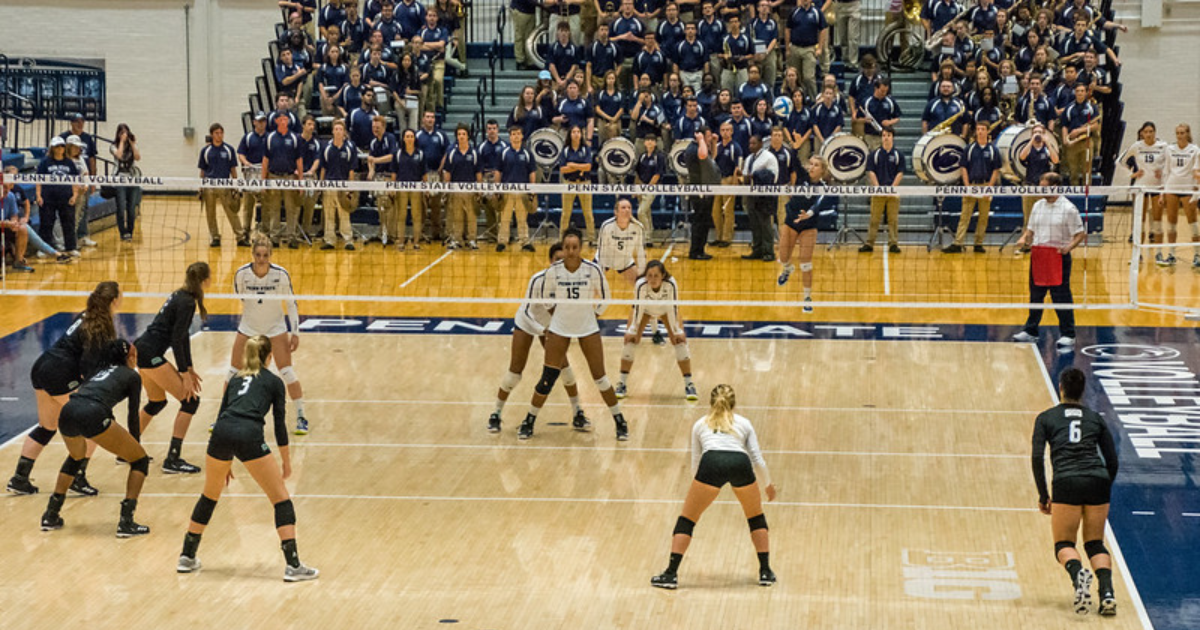
Volleyball is one of the most exciting and fast-paced sports played at school, college, and professional levels worldwide. Every year, players, fans, and teams eagerly anticipate the start of the new volleyball season. Knowing when volleyball season begins helps players prepare physically and mentally, and it allows supporters to mark their calendars for thrilling matches ahead.
This article provides a complete overview of when volleyball season starts across different levels, including school, college, professional, and beach volleyball.
Basic Information
| Category | Details |
| Sport Name | Volleyball |
| Main Season (Indoor) | August to December (for school and college) |
| Professional Season | January to May (depending on the league) |
| Beach Volleyball Season | March to September |
| Preseason Training | 4 to 6 weeks before official matches |
| Off-Season | June to July for most indoor teams |
| Major Events | NCAA Championships, FIVB World Tour, Olympic Qualifiers |
Overview of Volleyball Season
Volleyball seasons vary depending on the level of competition and location. In most regions, indoor volleyball follows a fall-to-winter schedule, while beach volleyball is played during warmer months. The structure allows athletes to compete in both versions of the sport if they wish.
School Volleyball
High school volleyball usually begins in August or early September and runs until November or December. The season starts with tryouts and training sessions, followed by regular matches and regional tournaments. Schools often divide their volleyball programs into boys’ and girls’ seasons, with most girls’ seasons taking place in the fall and boys’ in the spring.
College Volleyball
In college athletics, the women’s volleyball season starts in late August and concludes with national championships in December. The men’s season typically begins in January and ends by May. Collegiate volleyball in the United States is governed by organizations like the NCAA and NAIA, while other countries follow their own sports bodies.
Professional Volleyball
Professional volleyball leagues operate on different schedules depending on the country. In Europe and Asia, club seasons often start in October and last until April. In the United States, professional leagues like the Pro Volleyball Federation and Athletes Unlimited generally run between January and May.
Beach Volleyball
Beach volleyball follows a summer season that begins around March or April and continues until September. The warm-weather conditions make it ideal for outdoor play. Major tournaments include the FIVB Beach Pro Tour and various national championships.
Why Volleyball Season Matters
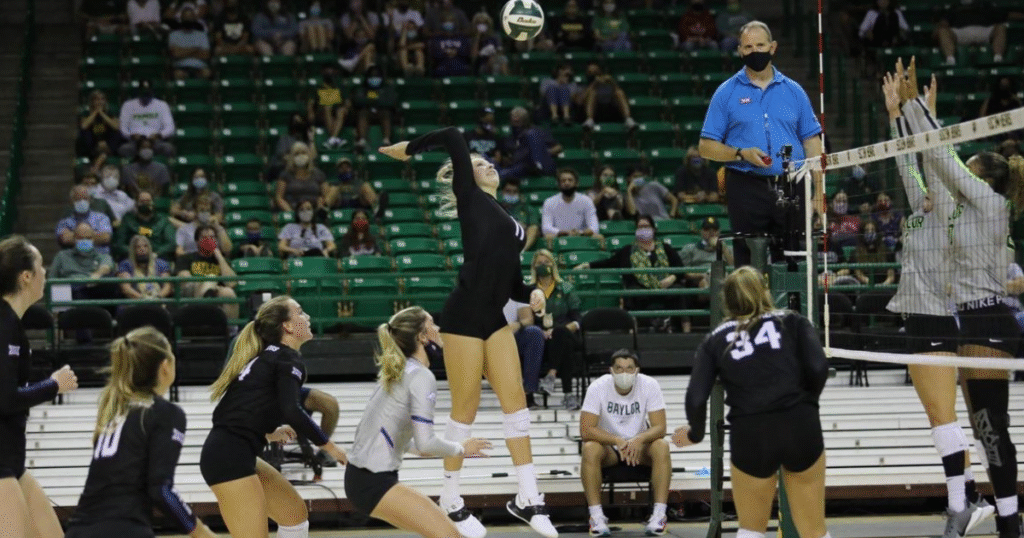
The start of volleyball season is not just about games. It represents months of preparation, teamwork, and dedication. Players train intensively during preseason camps, focusing on agility, coordination, and communication. Coaches design strategies, while fans anticipate thrilling rallies and close matches.
Volleyball season also serves as an opportunity for student-athletes to earn scholarships, improve rankings, and gain exposure to scouts or professional teams.
Why Join a Volleyball Program
Playing volleyball offers more than just athletic development. Joining a team provides:
- Physical fitness through regular practice and conditioning.
- Teamwork and leadership experience.
- Scholarship opportunities for talented athletes.
- Travel and competition exposure in tournaments.
- Personal growth through discipline and goal setting.
- Networking with players and coaches from across regions.
Volleyball programs in schools, colleges, and clubs often include structured training plans, experienced coaching staff, and opportunities for advancement to national or international levels.
Available Levels of Play
Players can participate in volleyball across several levels depending on age and skill:
- Middle School Volleyball – introductory level focusing on basics and teamwork.
- High School Volleyball – competitive local and regional matches.
- College Volleyball – national championships and scholarship opportunities.
- Club Volleyball – private leagues offering off-season training and competition.
- Professional Volleyball – domestic and international leagues for elite players.
- Beach Volleyball – doubles format played on sand during summer months.
Eligibility Criteria
The eligibility criteria for participating in volleyball depend on the level of play.
Education:
- Students must be enrolled in the respective school or college program.
- Professional players must meet the club’s registration and contract requirements.
Age:
- Middle school players are typically 12–14 years old.
- High school athletes are 15–18 years old.
- College players range from 18–23 years old.
Experience:
- Beginners are welcome at the school level.
- Advanced skills are required for college and professional leagues.
Skills:
- Strong passing, setting, serving, and blocking techniques.
- Communication and teamwork abilities.
Domicile or Nationality:
- Players must comply with their school, college, or league eligibility rules.
- Professional players may require national federation approval or international transfer certificates.
How to Prepare for the Volleyball Season
Preparing for the start of volleyball season involves physical training, mental readiness, and proper nutrition. Here are key steps athletes usually follow:
- Conditioning – build endurance, agility, and strength during the off-season.
- Skill Drills – focus on setting, serving, and defensive positioning.
- Team Practices – develop communication and on-court coordination.
- Preseason Camps – attend training sessions to gain competitive readiness.
- Equipment Check – ensure shoes, knee pads, and uniforms are ready before matches begin.
How to Apply or Register
To participate in a volleyball season, follow these general steps:
- Check Registration Dates – visit your school, college, or club’s official page to confirm tryout schedules.
- Fill Out the Form – complete the registration or tryout form online or in person.
- Submit Required Documents – such as student ID, medical clearance, and parental consent forms.
- Attend Tryouts – showcase your skills and fitness level during selection sessions.
- Pay Fees (if applicable) – some clubs and leagues require a small registration fee.
- Join Preseason Training – once selected, start practice ahead of the official matches.
Contact Information
For updated schedules and registration details, visit the following sources:
- Official Website: www.fivb.com
- National Volleyball Federation: Pakistan Volleyball Federation – www.pvf.com.pk
- Email: info@pvf.com.pk
- Phone: +92 51 920 1753
- Address: Pakistan Sports Complex, Islamabad
Conclusion
The volleyball season officially begins between August and December for indoor competitions and March to September for beach volleyball. Whether you are a student-athlete or a professional, this period marks the most exciting time of the year for players and fans alike. Preparing early, understanding eligibility rules, and staying fit will help you perform your best when the season begins.
Volleyball is more than a sport. It is a community of teamwork, dedication, and passion. So mark your calendar, get your gear ready, and step onto the court when the next season starts.
FAQs
1. When does the high school volleyball season start
Most high school volleyball seasons start in August and end by November or early December.
2. What month does college volleyball begin
College volleyball typically starts in late August for women and in January for men.
3. When is beach volleyball season
Beach volleyball season runs from March through September, depending on the climate.
4. How long does the volleyball season last
A typical indoor volleyball season lasts about four to five months, including tournaments and playoffs.
5. When should players start preseason training
Players usually begin training four to six weeks before the official season starts to build strength and coordination.
6. Can I play both indoor and beach volleyball in one year
Yes. Many athletes compete in indoor volleyball during fall and winter, then switch to beach volleyball in spring and summer.